

Access
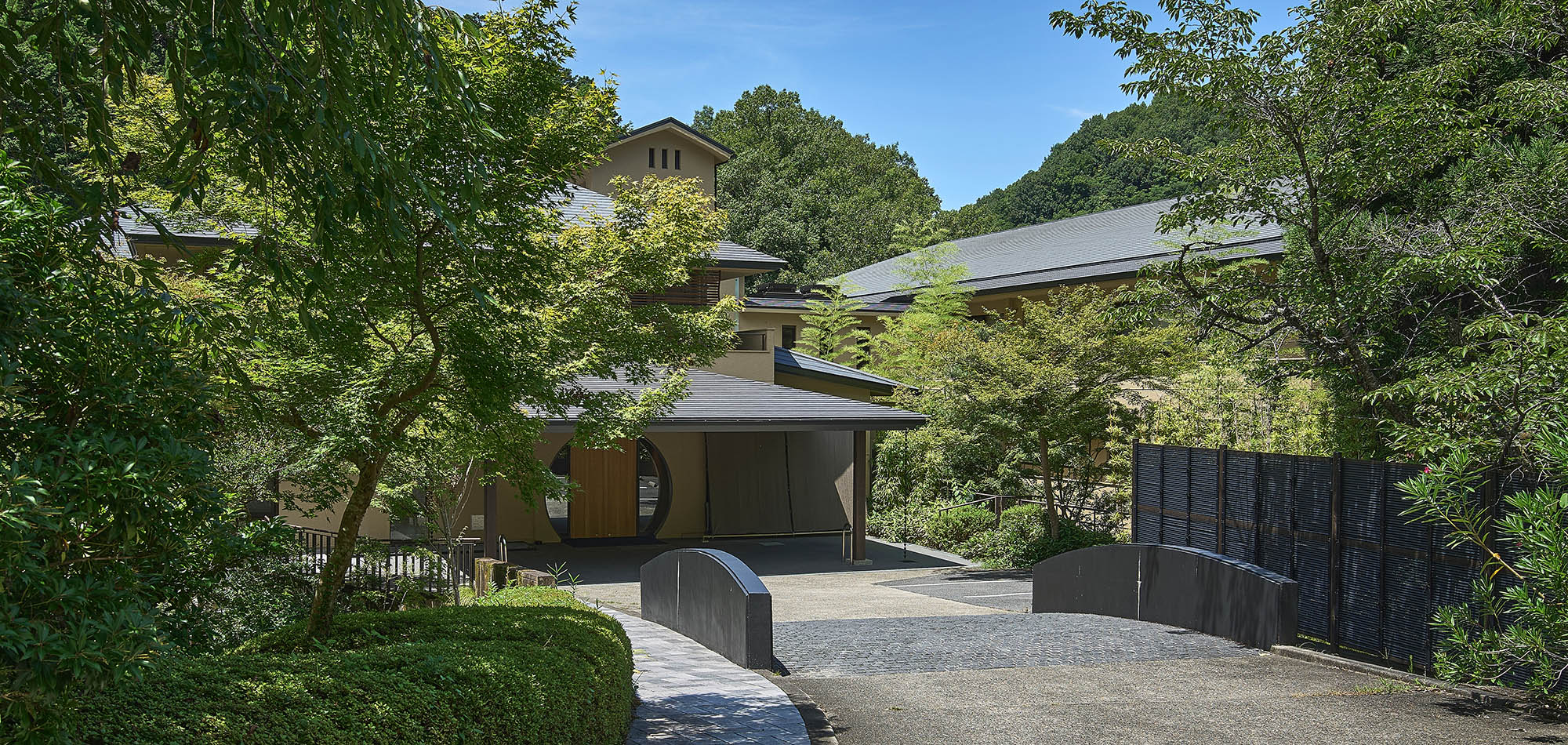
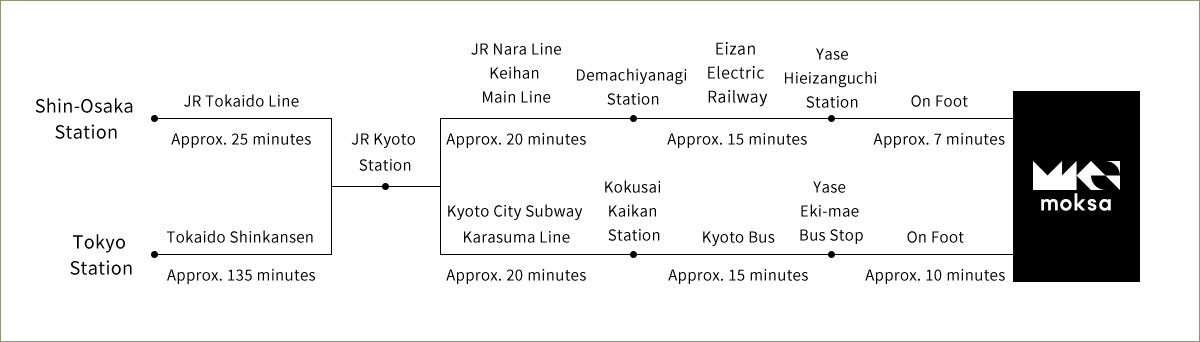
moksa offers a serene yet convenient retreat, just a 7-minute walk from Eizan Railway's
Yase-Hieizanguchi Station and the Hieizan Cable's Yase Station, or 10 minutes from Kyoto Bus's
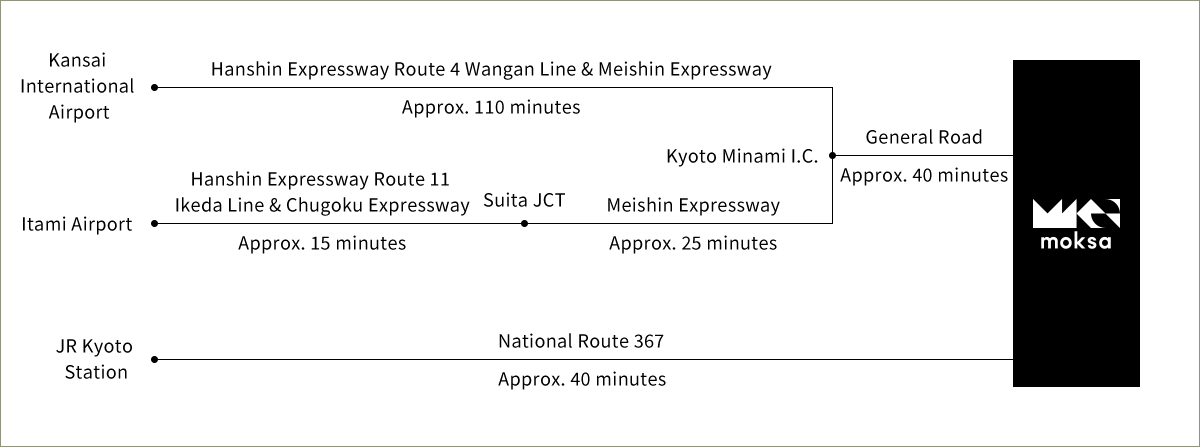
Yase Ekimae stop. By car, it is approximately 40 minutes from Kyoto Station.
On-site, we provide complimentary parking for guests on a first-come, first-served basis. Guided
by the gentle sounds of the river and the whisper of trees, you will find this "hidden
sanctuary" effortlessly, a perfect blend of seclusion and accessibility.
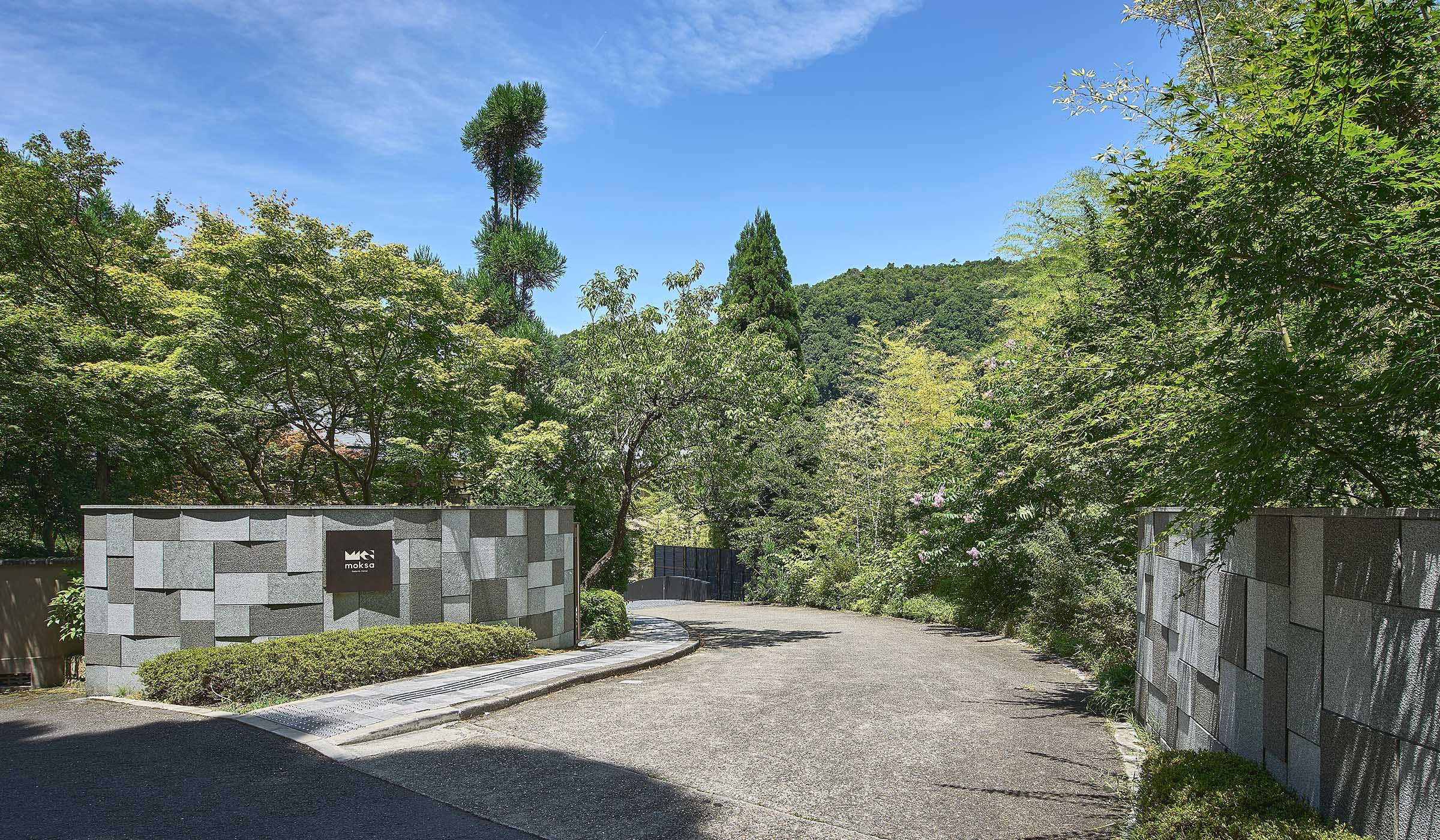
Just a short distance from central Kyoto,
Yase welcomes you with the scent of the forest and
the gentle caress of the breeze.

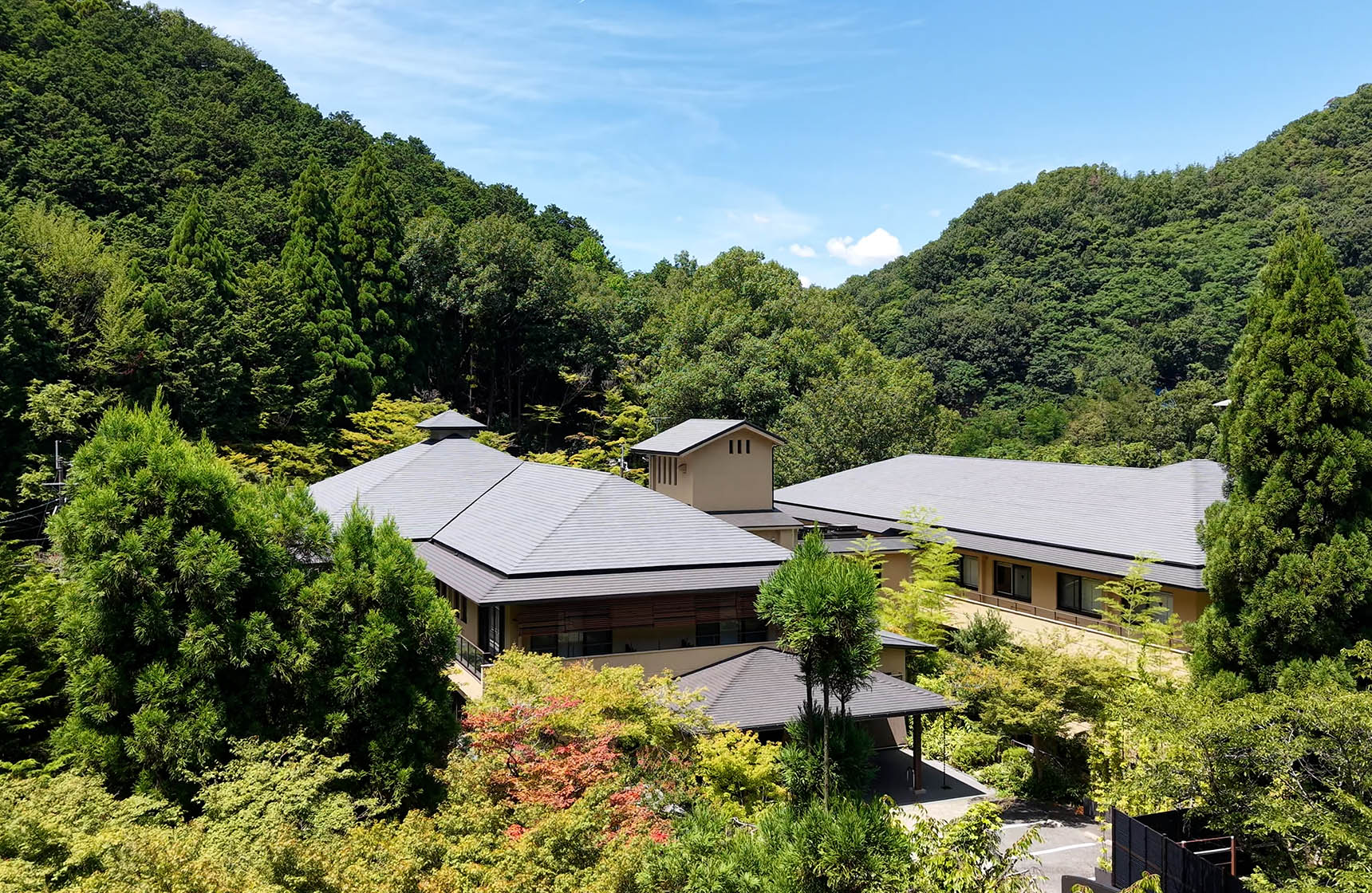
Guided by the gentle murmur of the river, you arrive at Moksa,
quietly nestled at the foot of
Mount Hiei.
Here, the pace of everyday life slows, and your journey begins to breathe at its
own rhythm.
Google map
Address: 65 Higashiyama, Kamitakano, Sakyo-ku, Kyoto, 601-1255, Japan
By train
By train
Eizan Electric Railway, Yase-Hieizanguchi Station - 7 min walk
Hieizan Cable, Yase Station - 7 min walk
Kyoto Bus, Yase Ekimae - 10 min walk
By car
By car
About 40 minutes by car from Kyoto Station
Sightseeing
Enryaku-ji Temple, Mount Hiei
Founded by the early Heian-period monk Saichō, Enryaku-ji is the head temple of the Japanese Tendai sect. As a center for both academic study and ascetic practice, it has produced many renowned Buddhist monks, including Hōnen and Shinran, and is often called the "mother mountain" of Japanese Buddhism. The temple complex spreads across the vast Mount Hiei, with around 100 buildings scattered throughout its grounds.
Takano river
A clear mountain stream flowing between Mount Hiei and Hyōtan-kuzureyama, the Takano River is known for being home to the Japanese giant salamander, a Special Natural Monument. Its source lies on the border of Kyoto's Sakyo Ward and Otsu City in Shiga Prefecture, and it merges with the Kamo River at Kamo Ohashi Bridge, south of Tadasu no Mori. In summer, it is a popular spot for river recreation and a cool retreat from the heat.
Rurikō-in Temple
Located about a 3-minute walk from moksa, Rurikō-in is a Jōdo Shinshū temple at the foot of
Mount Hiei. Normally closed to the public, it opens only during spring for the fresh green
leaves and autumn for the colorful foliage, making it a famous spot for seasonal
viewing.
The temple's shoin (study hall), built in the Sukiya-style, was constructed by the master
carpenter Sotoji Nakamura between the late Taishō and early Shōwa periods. In front of the shoin
is the "Ruri Garden", said to be designed by the Tōemon Sano's family, which reflects
beautifully on the shoin's floor and desks.
Visitors can also see the historic Kikakutei tea house, named by Sanetomi Sanjō, and Yase's
traditional kama-buro (hot bath kiln) on the temple grounds.
Mikage Shrine
A small shrine reached by a 15-minute uphill walk from the back of moksa. Located at the
northeast "demon gate" (kimon) of Kyoto, Mikage Shrine protects the city of Kyoto (Yamashiro
Province) and serves as the inner sanctuary of Kamo Mioya Shrine (Shimogamo Shrine).
The shrine is a sacred site where Kamo Taketsunumi no Mikoto and Tamayorihime no Mikoto are said
to have descended in ancient times. It is also the site of Mikage Festival, considered one of
Japan's oldest Shinto ceremonies.